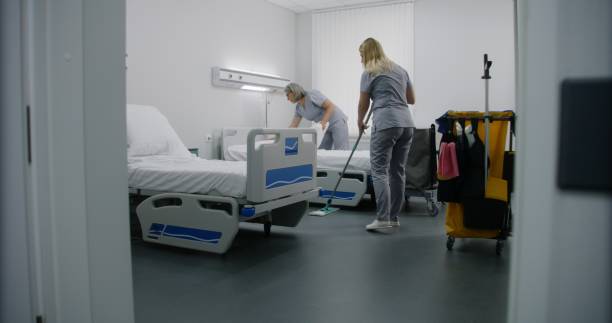
Walk into any general practice, allied health clinic or specialist rooms in Sydney and you probably do not think twice about the floors or the waiting room chairs. That is exactly the point. Good hygiene in a healthcare setting is meant to be invisible, quietly preventing infection while patients focus on their appointment. Behind that invisibility sits a very deliberate process, and it is why practice managers increasingly rely on specialist Medical Centre Cleaning Sydney providers rather than a general office cleaning contract.
Healthcare Cleaning Is a Different Category Entirely
Wiping down a reception desk is not the same task as disinfecting a treatment room where blood, bodily fluids or airborne pathogens may be present. Healthcare cleaning follows clinical protocols, uses hospital-grade disinfectants, and pays close attention to touchpoints that ordinary cleaning routines often miss, such as door handles, light switches, blood pressure cuffs and shared equipment surfaces.
Cross-Contamination Is the Real Enemy
A medical centre sees a constant flow of patients, some of whom are contagious without realising it. Waiting rooms, bathrooms and consultation rooms all need cleaning protocols designed to break the chain of transmission between one patient and the next. Colour-coded cloths and separate equipment for different zones prevent bacteria from one room being carried into another, a detail that matters far more here than in a typical office.
Compliance With Australian Health Standards
Practices are expected to meet infection control guidelines set out by bodies overseeing general practice accreditation, and cleaning is a documented part of that process. Falling short during an accreditation review can jeopardise a practice’s standing, so having a cleaning partner who understands these requirements and keeps proper records takes real pressure off practice managers who already juggle staffing, patient bookings and compliance paperwork.
Waiting Rooms Set the Tone
A patient’s first impression forms in the waiting room, often while feeling anxious about their appointment. Sticky armrests, dusty magazines and a bathroom that has clearly not been checked in hours do nothing to ease that anxiety. A clean, well-maintained space signals that the practice takes care seriously in every sense, which builds trust before the patient even sees a clinician.
Sharps, Waste and Specialised Handling
Medical waste cannot be treated like ordinary rubbish. Sharps containers, clinical waste bins and biohazard materials require specific handling procedures that general cleaners are simply not trained or equipped for. A team experienced in clinical environments knows how to work safely around these materials without cross-contaminating other areas of the practice.
Scheduling Around Patient Flow
Clinics rarely have downtime during business hours, which means much of the deep cleaning happens early morning, late evening or during scheduled closures. A cleaning partner familiar with healthcare settings builds a roster around the practice’s actual patient flow, ensuring rooms are turned over between sessions and the full facility receives a thorough clean without disrupting appointments.
Protecting Staff as Well as Patients
Doctors, nurses and administrative staff spend far more time in the building than any single patient. A properly disinfected environment reduces sick days among staff and protects the people who keep the practice running day to day. This is often overlooked in conversations about hygiene, which tend to focus only on the patient experience.
Building Long-Term Trust With a Cleaning Partner
Because healthcare cleaning carries higher stakes than most commercial settings, consistency matters. Practice managers benefit from working with the same trained Medical Centre Cleaning Sydney team over time rather than rotating staff who need to relearn protocols with every visit. That continuity reduces mistakes and builds a level of trust that shows up in accreditation results and, more importantly, patient wellbeing.
Allied Health and Specialist Rooms Have Their Own Needs
Physiotherapy clinics, dental surgeries and specialist consulting rooms often have equipment and surfaces that general practice cleaning protocols do not fully cover, from treatment plinths to dental chairs with intricate fittings. A cleaning provider working across different types of medical facilities needs the flexibility to adjust protocols room by room rather than applying a single generic checklist to every practice they service.
Air Quality Inside a Clinic
Ventilation and air quality play a quiet but important role in infection control, particularly in waiting rooms where patients with respiratory symptoms often sit close together. Attention to air vents, filters and general dust levels supports a healthier indoor environment, complementing surface cleaning rather than being treated as a separate, unrelated concern by the practice.
Preparing for Unannounced Reviews
Health authorities and accreditation bodies do not always give advance notice before a site visit, which means a practice needs to be inspection-ready every single day rather than just before a scheduled review. A consistent cleaning routine, properly documented, removes the last-minute scramble that so many practice managers dread when an unannounced visit is mentioned.
Building a Culture of Care Beyond the Consultation Room
The best-run practices treat hygiene as an extension of the same care ethos that defines their clinical work, rather than a separate administrative obligation handled by whoever has time. When reception staff, nurses and cleaning teams all understand why these standards matter, the whole practice tends to run more smoothly, and patients pick up on that sense of genuine care the moment they walk through the door. This attention to detail often becomes part of what patients remember about a practice, quietly shaping whether they choose to return or recommend it to family and friends.
Choosing a provider that understands Medical Centre Cleaning Sydney requirements is not a box-ticking exercise. It is a genuine part of patient care, sitting quietly behind every consultation, every waiting room visit and every accreditation review that a practice goes through. Practices that invest properly in this area tend to see it reflected not just in inspection outcomes but in the everyday confidence patients feel the moment they step through the door.